Why Your Brain Needs a Break from Video Calls
If you work in remote or hybrid mode, as many of us now do, your day might look something like this: a rush of back‑to‑back video calls, screens glowing, headphones on, mute/unmute, trying to read faces through a pixelated grid.
For a lot of people, that leads to a new kind of exhaustion: “video-call fatigue.” But there’s a smarter way to work: stepping out of the screen, reconnecting face‑to‑face and giving your brain space to breathe.
The UK’s remote working boom
In 2025, nearly 44% of UK adults now work remotely in some form, according to a recent report from Workplace Journal.
On average, UK workers spend about 1.8 days per week working from home, the highest in Europe and well above the global average. (The Guardian)
Hybrid work has become the norm: many mix home days, office days and video calls.
That flexibility is a huge win for many, but there’s a trade‑off. As remote working becomes more common, so do signs of fatigue and mental strain.
Video‑call overload is real
Recent UK surveys paint a worrying picture: 55% of hybrid workers say they suffer from “video‑call fatigue”, burned out by long days of virtual meetings. (Workplace Journal)
Even worse, 73% of professionals say virtual meetings distract them or reduce their productivity. (HR Review)
What’s behind the burnout?
Every video call demands more than just attention. Your brain is working overtime to interpret faces, pick up on body language, respond to delays or awkward silences juggling multiple windows, chats and notifications. After a full day of calls, creativity, focus and energy often run dry.
The hidden costs of remote work
Beyond fatigue, long-term remote work can lead to deeper issues. Many remote workers report feeling socially isolated or disconnected: fewer spontaneous chats, less human contact, fewer opportunities for serendipitous ideas.
Some even struggle with separating work and home life, which can blur boundaries and creative stress.
Why real‑life spaces still matter
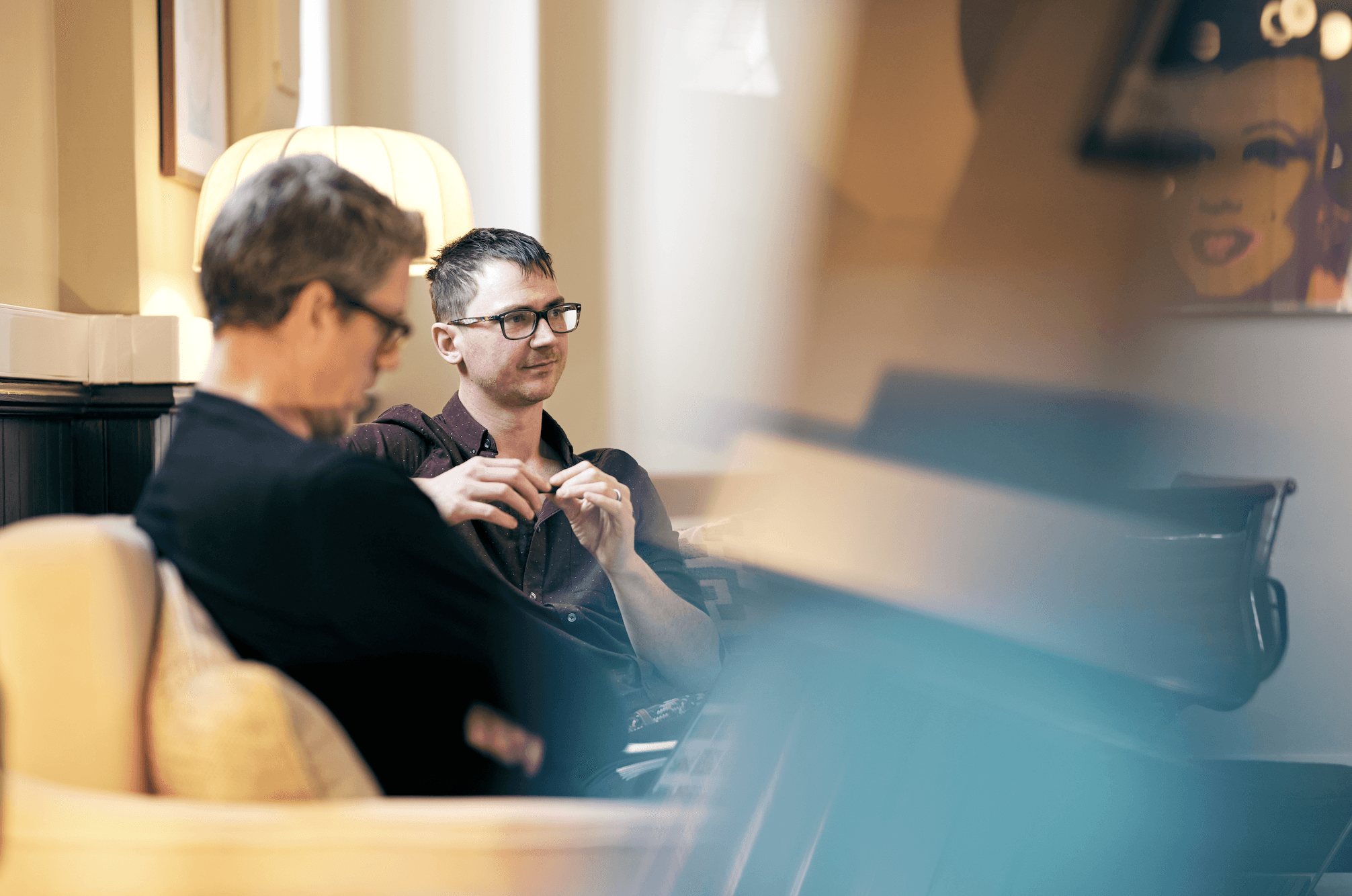
Break the screen loop: Instead of another video grid, enjoy a chat over coffee. Step away from your laptop, let your eyes rest and give your mind a chance to wander.
Chance encounters: a designer meeting a content creator, a developer chatting to a marketer will often lead to ideas you’d never get over Teams.
Reset focus and boundaries: A change of environment, a dedicated desk, creative energy around you, a supportive community all help in drawing a clearer line between work and home life.
As remote and hybrid work becomes the norm, the challenge isn’t whether you can get work done -it’s whether you can stay human while doing it.
Video calls will always have their place. But if your brain is constantly taxed by screen after screen, you start losing clarity, creativity and even motivation.
What your brain and creative projects truly need is balance. Less screen fatigue. More real‑life interaction. Real conversations. Shared space. And that’s exactly why collaborative workspaces like The Fold exist.
So next time your calendar is full of virtual meeting after virtual meeting, maybe it’s time to log off and step out to a new environment. Because some of the best ideas don’t happen online. They happen in real life.