Why Small Towns are Becoming Creative Hubs
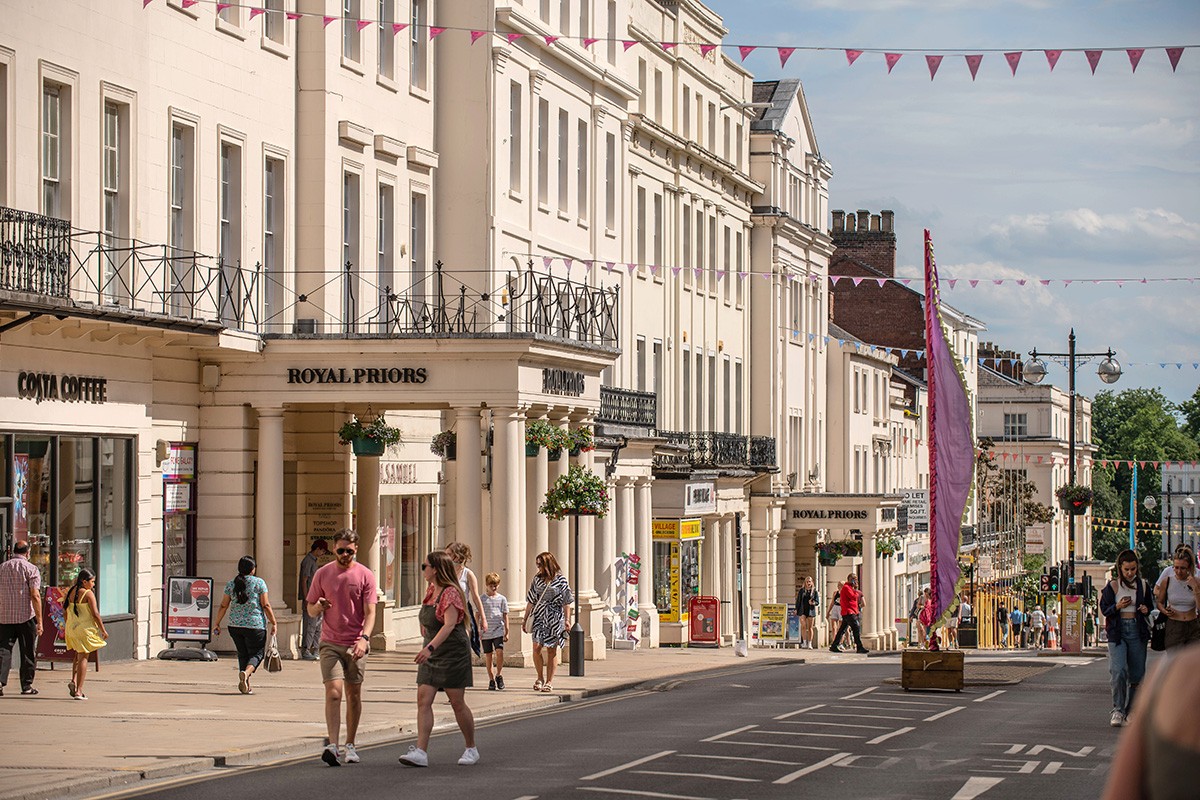
In the UK, especially across the Midlands, small towns like Leamington are evolving into vibrant creative hubs. As rising costs, congestion, and burnout make big cities harder to sustain, these towns offer a compelling, more balanced alternative.
From “Silicon Spa” to creative engine
Leamington Spa isn’t just a pretty spa town. Its tech‑creative industry, particularly video games, has exploded, earning it the nickname Silicon Spa. (WMCA)
There are over 50 studios operating around Leamington, with thousands employed in creative‑tech and game development roles across the region, making it the largest games cluster in the UK outside London & the South West. (Invest Coventry & Warwickshire)
More broadly, the creative industries are one of the fastest‑growing sectors in the UK economy and many of those creative clusters are now outside big cities. (Warwick District Council)
Creative Diversity & Cultural Depth
Leamington and its wider district (Warwick District) support a wide mix of creative arts beyond games: performing arts, theatre, music, visual arts, design, all contributing to a thriving cultural scene.
That diversity means small‑town creative hubs aren’t niche; they blend digital, traditional, artsy and entrepreneurial, attracting people with very different skills and backgrounds, creating a rich ecosystem where ideas collide.
Quality of life + connectivity
As a town of less than 50,000 people, Leamington offers walkable streets, historic architecture, lower living costs (relative to London) and community charm, which together create a lifestyle many creatives crave.
Despite being a small town, it’s very well connected: direct trains to London (about 1h 22min) and Birmingham, easy motorway access: so, location is no longer a trade‑off for opportunity or mobility.
Why these small‑town creative hubs and why now?
Recent research from the Creative Industries Policy and Evidence Centre identified 709 “micro‑creative clusters” across the UK, many of them outside major cities. That shows creative energy isn’t confined to traditional urban centres. (pec.ac.uk)
For many freelancers, small businesses and creative entrepreneurs, small towns offer an ideal launchpad: lower overheads, less pressure and access to a diverse but tight‑knit community.
With remote work becoming the norm, flexible workspaces, like Then Fold, make smaller towns even more attractive. You get the benefits of community without needing the rent, commute or stress of a big city base.
The future looks local (and creative)
The growth of towns like Leamington, shows that “creative capital” is redistributing across the UK. The pressure and cost of big cities are pushing people to rethink how and where they live and work. In 2026 and beyond, expect more small towns to follow this pattern.
For freelancers, entrepreneurs, and creatives, it means you don’t need to move to London to thrive. You just need the right community, the right environment and a space to build.