The Role of Events in Co-working Communities
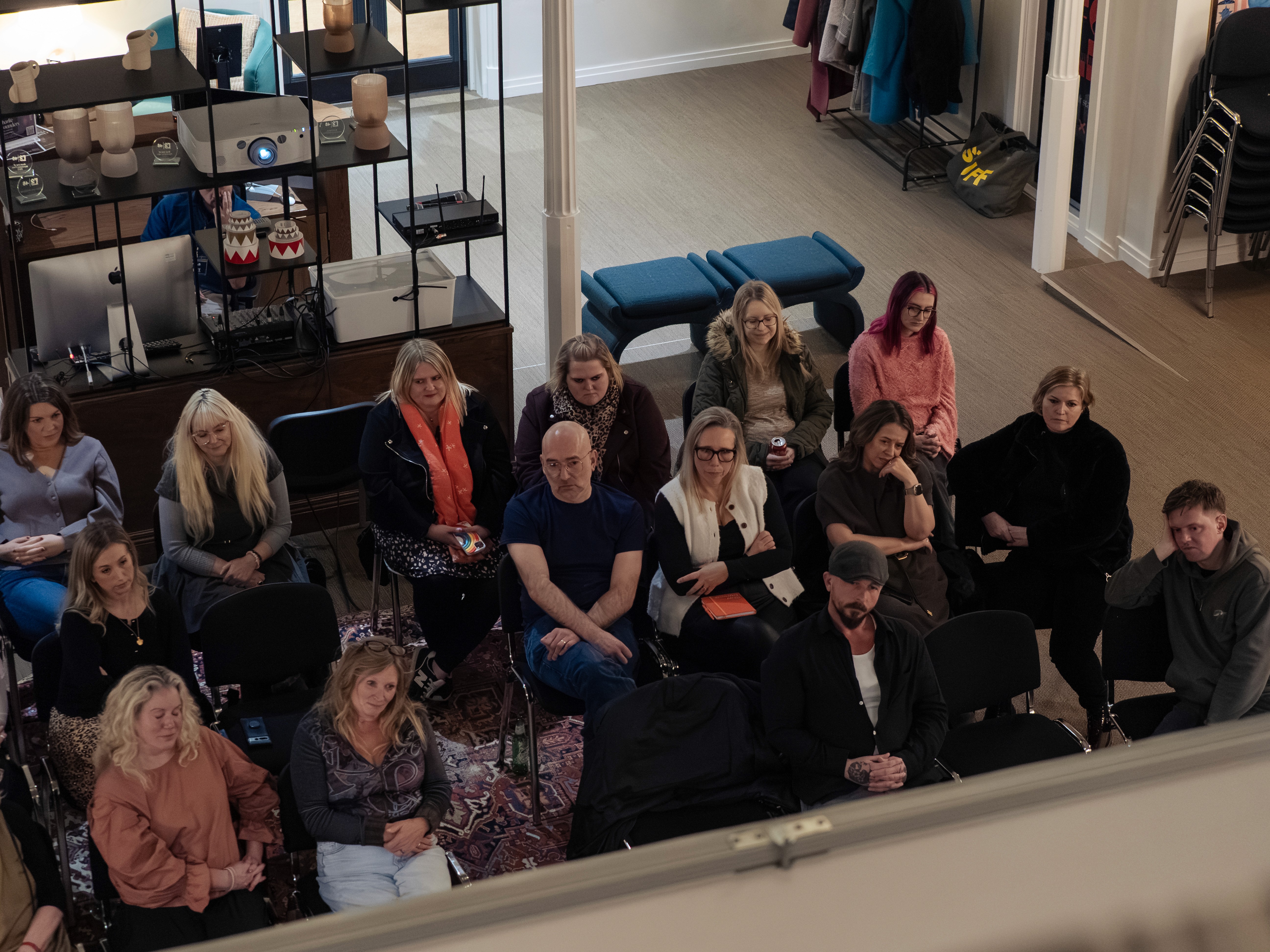
Co-working spaces are designed to bring people together, but in reality, modern working can still feel surprisingly isolated. Between deadlines, video calls and headphones on, many freelancers, remote workers and small business owners can go hours without meaningful interaction.
This is particularly relevant today, as around 40% of UK workers now work remotely or in hybrid arrangements for at least part of the week. While flexibility brings many benefits, it can also reduce the opportunities for spontaneous social interaction that traditional workplaces naturally provide.
That’s why community events play such an important role in co-working spaces. They help transform a shared office into a genuine community, one where people feel connected, supported and more engaged in their working environment.
At spaces like The Fold, events are not just an added extra. They are part of creating a healthier, more collaborative way to work.
Why co-working events matter
Even small events create an opportunity to step away from the desk and reset during the working day. Whether it is sharing coffee and pastries, attending a lunchtime wellbeing session or joining an informal social gathering, these moments help break up the routine of solo working.
Research from the British Red Cross found that nearly half of UK workers experience loneliness at work at least some of the time, while more than one in ten often or always experience aspects of workplace loneliness.
Short breaks and social interaction can improve focus, reduce stress and boost overall wellbeing, all of which contribute to better productivity. More importantly, they remind members that they are part of a wider community rather than simply renting desk space.
For freelancers and remote workers especially, that sense of connection can have a huge impact on motivation and job satisfaction.
Creating natural networking opportunities
Traditional networking events can sometimes feel intimidating or overly formal. Large evening events, sales-focused conversations and forced introductions are not always appealing after a full workday.
Co-working communities benefit more from low-pressure, informal interactions that happen naturally throughout the day. Simple events with coffee, food or shared activities create space for genuine conversations without expectation or pressure.
Often, the most valuable connections happen organically. You may discover that the person working across the room offers a service you have been searching for, shares similar clients or faces the same business challenges.
These smaller interactions help build trust over time and make collaboration feel far more natural than traditional networking environments.
Building a sense of belonging
One of the biggest advantages of co-working spaces is the sense of community they can create. Events play a major role in building that feeling.
Seeing familiar faces regularly, having casual conversations and sharing experiences helps members feel more comfortable and connected within the space. Over time, people become more likely to say hello, exchange ideas and support one another professionally.
That sense of belonging is especially valuable for solopreneurs, freelancers and remote workers who may otherwise spend much of their week working alone.
Research from the British Red Cross found that 84% of onsite workers say they feel close to their colleagues, compared with 44% of homeworkers. While home working itself does not automatically lead to loneliness, the findings highlight the value of creating opportunities for meaningful workplace relationships.
For co-working venues, regular member engagement also helps shape better experiences. Feedback, attendance and informal conversations allow spaces like The Fold to develop events and activities that genuinely reflect what the community enjoys and values most.
Small events can have the biggest impact
Community events do not need to be large or time-consuming to be effective. While public events such as comedy nights, live music and social evenings help strengthen connections with the wider local community, smaller day-to-day activities often have the greatest impact on regular members.
Short, consistent gatherings fit more naturally into the working day and feel accessible rather than demanding. Members can choose how they engage without feeling pressure to commit large amounts of time outside work hours.
This balance helps co-working events feel inclusive, flexible and rewarding, something that aligns closely with the way many modern professionals want to work today.
At The Fold, these moments are built into the community throughout the year. Upcoming events like the free Members’ Summer Social on 2nd July, with drinks, ice cream, food, music and hopefully some sunshine, are designed to give members a chance to relax, connect and enjoy the social side of co-working outside the usual working routine.
More than just a place to work
Ultimately, co-working events help bridge the gap between simply working near people and genuinely connecting with them. They create opportunities for collaboration, wellbeing and community in ways that traditional offices or home working often cannot.
At The Fold, community-focused experiences are built into everyday working life through wellbeing activities, monthly treats and member perks for public events. The aim is to create more than just a workspace. It is about building an environment where people feel productive, supported and part of something bigger.
Because when people feel connected to where they work, both wellbeing and productivity benefit naturally.
At The Fold we organise a range of events to bring the community together. Take a look at what's coming up.